How big is the insole market?
The insole market is a fast-growing global industry, and its scale and segments are driven by multiple factors such as health awareness, technological innovation and consumption upgrades. The following is a comprehensive analysis based on the latest industry data:
📊 I. Overall market size and growth trend
1. Global market size
2024: The global insole market size is approximately US$4.52 billion (approximately RMB 32.7 billion), and is expected to grow to US$6.8 billion by 2032 (with a compound annual growth rate of approximately 5.24%).
2033 forecast: The sports insole segment is expected to reach US$17 billion, with a compound annual growth rate (CAGR) of 6.6%.
2. China market performance
The environmentally friendly antibacterial insole market is expected to reach RMB 3.5 billion in 2025 and will increase to RMB 7.5 billion in 2030 (CAGR of approximately 16%).
Cross-border e-commerce has become a growth engine: For example, Hebei companies have surged 133% in exports through Alibaba International Station, and their products are sold to 16 countries.
2. Analysis of core market segments
1. By function and technology
Smart insoles: Global sales of US$32 million in 2024, expected to reach US$67 million in 2031 (CAGR 11.0%), with European orders growing at a rate of 125%.
3D printed insoles: US$101 million in 2024, US$239 million in 2031 (CAGR 13.4%), with 87% in the medical field.
Orthotic insoles: The market size in 2025 is about US$2 billion, with demand driven by aging and foot diseases.
Environmentally friendly antibacterial insoles: dominated by bamboo charcoal fiber (accounting for 25%), the Chinese market size is expected to reach RMB 8.5 billion in 2030.
2. By material type
– Natural materials: Wool insoles will have a scale of US$144 million in 2024 and US$229 million in 2034 (CAGR 4.76%), focusing on warmth and sustainability.
Synthetic materials: gel insoles are the mainstream, and foam insoles account for 40% (dominated in the sports field).
3. By regional market
The following table summarizes the scale and growth characteristics of major regional markets in the world:
|Region 2024 market size 2032 forecast growth characteristics, main driving factors
| North America | $16.8 billion | $25.2 billion | Dominant market (35% share) | Improved health awareness, technology investment |
| Europe | $12 billion | $19.2 billion | Smart insole growth rate of 125% | Environmental protection policies, high-end customized demand |
| Asia Pacific | $11.6 billion | $18.4 billion | Fastest growing region | Expansion of the middle class, e-commerce penetration |
| Latin America | $2.8 billion | $4 billion | Emerging markets (growth rate of 101%) | Demand for breathable and odor-resistant products in Brazil and Chile |
| Middle East/Africa | $2 billion | $3.2 billion | Customized luxury models with high premium | Demand for gilded design in the UAE |
🚀 III. Growth drivers
1. Health and aging needs
– Global approx. 75% of adults experience foot problems, and chronic diseases such as diabetes increase the demand for orthopedic insoles.
– The elderly population will reach 1.5 billion by 2050, driving the medical-grade insole market.
2. Technological innovation
– Intelligent integration: Insoles with sensors that monitor gait and pressure are favored by athletes and diabetics.
– Customization revolution: 3D scanning and printing technology has lowered the price of customized insoles and increased their popularity.
3. Environmental protection and sustainability
– The proportion of degradable materials (such as recycled fibers and bamboo charcoal) has increased, and the market share of environmentally friendly insoles will reach 45% in 2030.
4. Channel transformation
– The proportion of online sales has increased from 30% to 45%, and cross-border e-commerce (such as Alibaba International Station) has promoted small and medium-sized manufacturers to access the global supply chain.
🔮 IV. Future trends and challenges
– Opportunities:
– Smart insoles are combined with health apps to open up new profit models for data services.
– Customized demand in emerging markets (Middle East, Latin America) exploded, with Saudi Arabia’s order growth rate of 40% and Argentina’s 101%.
– Challenges:
– High-end customized insoles are expensive (up to $100 per pair), and price-sensitive markets are difficult to penetrate.
– Competition in synthetic materials intensifies, and natural materials such as wool need to break through the cost bottleneck.
💎 Conclusion
The insole market has been upgraded from basic accessories to technology-driven health solutions, and the global scale is moving towards the 100 billion level. If companies focus on intelligence, green materials and emerging market channels, they will benefit significantly from the industry’s growth dividend.
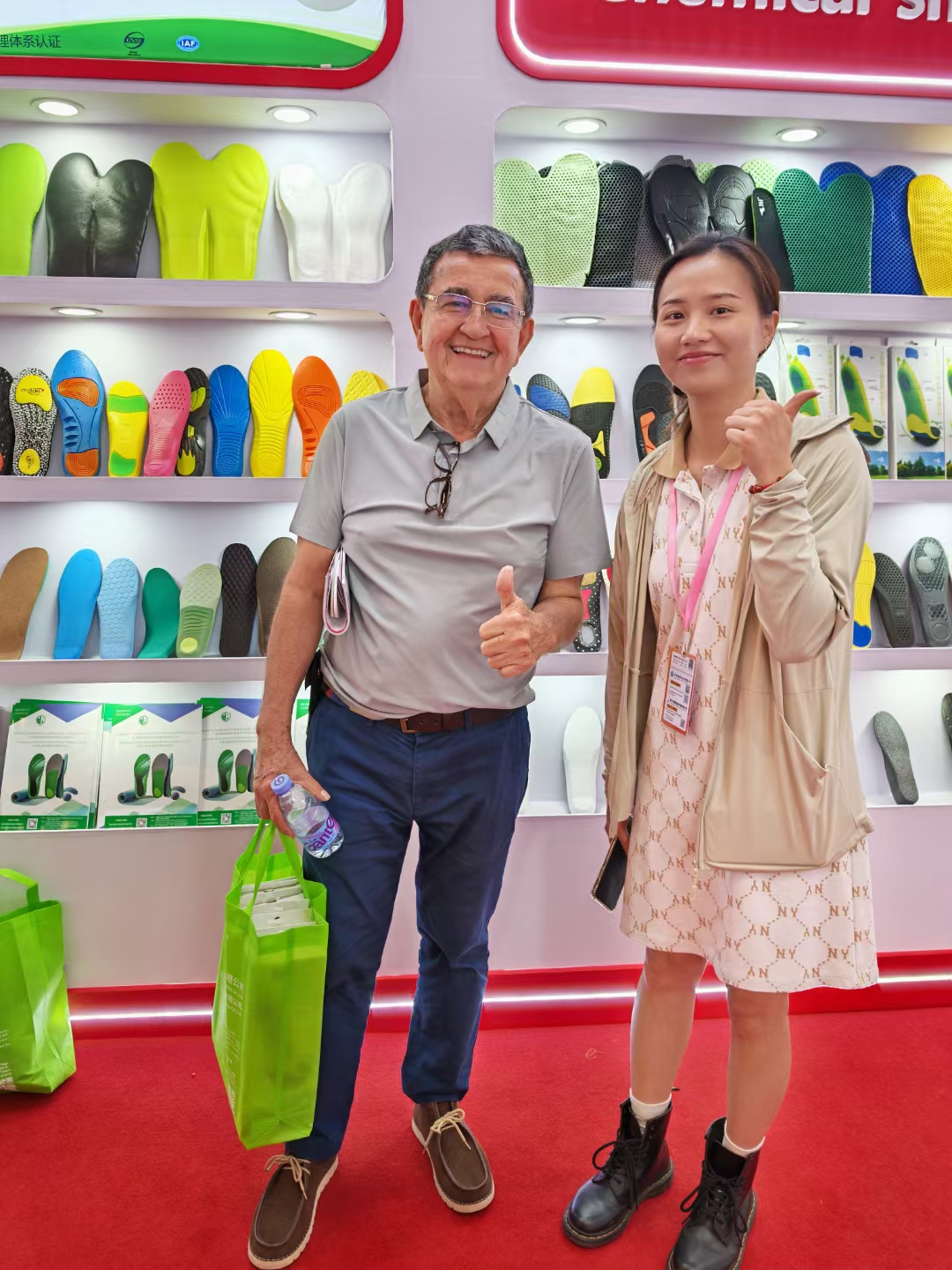
![Kaiyu Insole Manufacturer | Professional Custom Insole Manufacturer & Supplier - [Quanzhou Kaiyu Insole ]](https://kaiyu-insole.com/wp-content/uploads/2026/03/Professional-Custom-Insole-Manufacturer-Supplier-Quanzhou-Kaiyu-Insole.jpg "Kaiyu Insole Manufacturer | Professional Custom Insole Manufacturer & Supplier - [Quanzhou Kaiyu Insole ]")